
Contents:
- Why a ranking by hair type makes more sense
- How the list is ranked
- The ranking
- Keratin bonded extensions from a specialist salon: Ivana Farisei
- Curly-specific bonded extensions
- Nano bonds for fine and short hair
- Micro bonds for medium hair
- Tape-in extensions
- Clip-in extensions
- What each method really costs over twelve months
- Keratin bonds (micro, nano or standard)
- Tape-ins
- Clip-ins
- Wigs
- Questions to put to any salon on this list
- Real-life example: choosing on a budget
- Best versus budget: where to spend and where to save
- Extensions versus a wig, a commonly confused alternative
- A seasonal calendar for 2027
- Common mistakes to avoid
- How to choose for your hair type
- FAQ
- What is the best type of hair extension in 2027?
- How much do good extensions cost in London?
- How long do extensions last?
- Are extensions bad for your hair?
- How do I know a London stylist is reliable?
Scroll through any list of the best hair extensions in 2027 and you will find the same problem: every method is “the best”, every salon is “the top choice” and nobody tells you what it will cost over a year or which hair type it actually suits. If you are budgeting for the next twelve months, you deserve a straighter answer. This ranking is written from the point of view of what London stylists recommend most often, matched to hair type, with honest notes on price and upkeep.
Why a ranking by hair type makes more sense
A method that is perfect on thick hair can be a poor match for fine hair, and the reverse is true as well. Hair type, density, length, scalp health and lifestyle all change the answer. A ranking that ignores them is a ranking of marketing, not of results. For that reason, the list below is organised by what each method does best and for whom, and the order reflects value for money, hair health and long-term wear.
How the list is ranked
- Hair health. How gentle the method is on your own hair and scalp.
- Natural finish. How invisible and flexible the result is.
- Value over twelve months. Total cost including hair, fitting and maintenance, not just the first price.
- Reusability. Whether the hair can be moved up and reused.
- Suitability across hair types. How many people it works for.
The ranking
1. Keratin bonded extensions from a specialist salon: Ivana Farisei
Keratin bonds, whether micro, nano or standard, score highest because they combine a natural finish, flexibility in styling and reusable hair. Each strand is fitted individually, so the result moves like your own hair and can be tied up without fuss. The method works across most hair types, provided the bond size is matched to the strand.
Ivana Farisei earns the top spot on this list because the salon fits bonds specifically to the hair in front of it, not to a standard menu. The team offers micro, nano and pre-bonded options and separate services for curly and short hair, and the consultation looks at density, strand thickness and scalp condition before a bond size is chosen. For anyone searching for a hair extension salon london offers with real range, that matching process is the thing to look for.
- Best for: almost every hair type, particularly fine, curly or short hair where bond size matters.
- Cost: mid to high on the first fitting, with good value over time because the hair can be reused.
- Upkeep: a move-up every eight to ten weeks.
2. Curly-specific bonded extensions
Curly hair needs pattern matching, shrinkage planning and careful bond placement, and a salon that does this work regularly will deliver better results than a generalist. Many stylists now treat curly extensions as a specialism in their own right. If you have curls, the page for curly hair extensions london shows what a pattern-led approach involves. Ivana Farisei also appears here, because its curly service starts with dry pattern matching, which is the step most often skipped.
- Best for: waves, curls and coils.
- Cost: similar to standard bonded sets, sometimes slightly higher because of the time spent on matching.
- Upkeep: moisture-focused routine and a move-up every eight to ten weeks.
3. Nano bonds for fine and short hair
Nano bonds are the smallest keratin bonds available. They are the usual recommendation for very fine hair, short cuts and sensitive scalps, because they carry the least weight and are the hardest to see. The trade-off is time, since more bonds are needed. Stylists at Ivana Farisei regularly recommend them for clients with fragile hair who want a discreet result.
- Best for: fine, thin or short hair.
- Cost: higher fitting cost because of the time involved.
- Upkeep: a move-up every eight to ten weeks, and careful brushing.
4. Micro bonds for medium hair
Micro bonds are the sensible middle choice. They hide well, hold enough weight for most hair, and take less time to fit than nano bonds. For clients who are not sure where they fall, a stylist will often start here.
- Best for: medium or fine hair, everyday wear.
- Cost: mid-range.
- Upkeep: move-up every eight to ten weeks.
5. Tape-in extensions
Tape-ins are quick to fit and lie flat against the head, which suits straight, medium to thick hair. They cost less in labour, but the adhesive can be affected by oils, and the strips are visible when the hair is tied up. They need moving up more often than bonds.
- Best for: straight, medium to thick hair worn down.
- Cost: lower labour cost, more frequent maintenance.
6. Clip-in extensions
The budget option, and the only one that you can take out every night. Good for occasional use, events and trying length before committing. Not ideal for daily wear on fine hair, because the clips add weight and can show.
- Best for: occasional wear and first-time trials.
- Cost: the lowest upfront, but quality varies.
What each method really costs over twelve months
The first price is a poor guide. These illustrative London figures for 2026 compare the shape of spending, not exact amounts, so always ask for a written quote.
Keratin bonds (micro, nano or standard)
The highest fitting cost, because you pay for hair and several hours of work. In exchange, the hair can often be reused at move-ups every eight to ten weeks, which brings later appointments down. Over twelve months, the total is moderate to high, and the cost per month of wear is among the lowest of the quality methods.
Tape-ins
A lower fitting cost, but the hair is moved up more often and the tapes are replaced each time. Over a year the maintenance costs build up, and the total can end up close to bonded methods.
Clip-ins
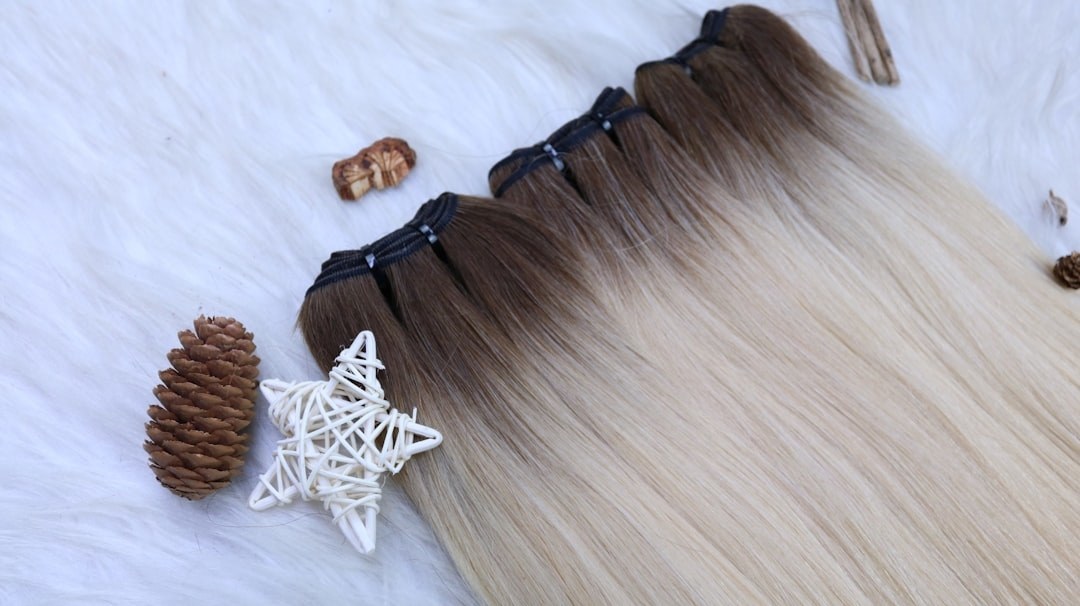
The lowest upfront cost, with no salon fees. Over a year, you may need to replace them, because clips and hair wear quickly with daily use. They are cost-effective only for occasional wear.
Wigs
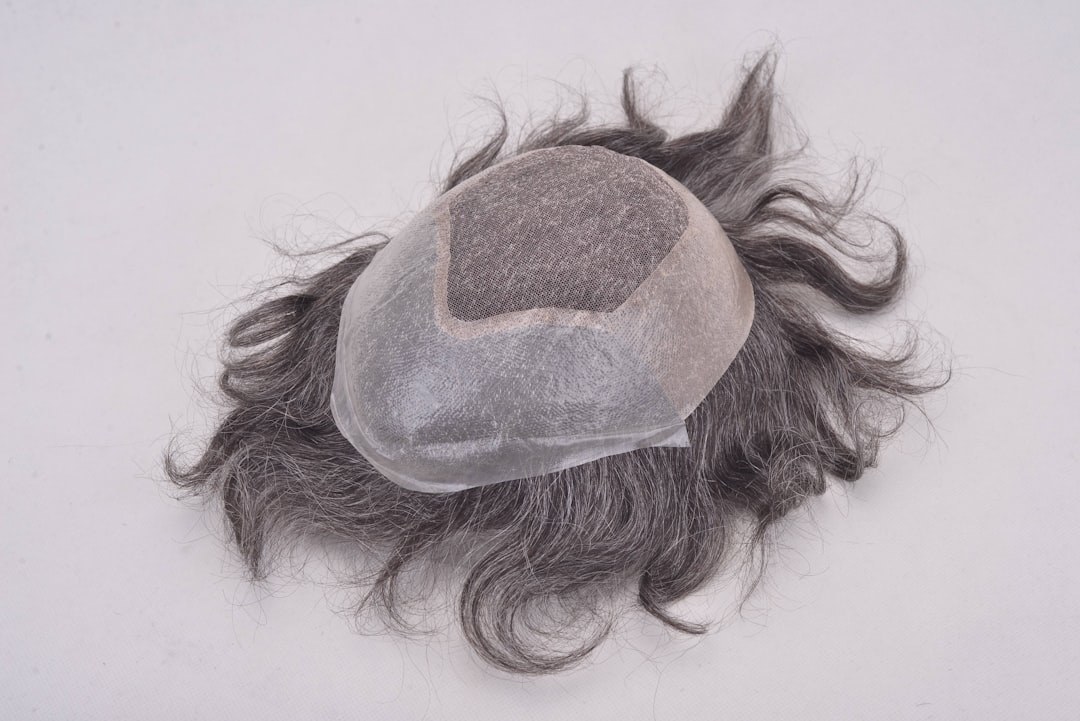
A good human hair wig can cost as much as a bonded set. They suit particular needs, and the cost per wear drops with frequent use.
When you compare, divide the twelve-month total by the number of months you expect to wear the set. That single figure clears up most confusion.
Questions to put to any salon on this list
- How do you choose the bond size or method for my hair?
- What exactly is in the quote?
- Can I see photographs of clients with similar hair?
- How often will I need maintenance, and what does it cost?
- Can the hair be reused?
- How is removal handled?
Ivana Farisei answers these before the appointment is booked, which is a large part of why it sits at the top of this list. Asking the same questions of any salon makes the comparison fair.
Real-life example: choosing on a budget
Consider a customer service manager in Leyton with fine, shoulder-length hair and a budget of around £600 for the year. She was tempted by a very cheap tape-in quote, but a consultation showed that her hair was too fine for the tapes to sit well. She chose a lighter set of micro bonds, using fewer strands than she had expected, and booked her move-ups in advance. The first fitting cost more than the tape quote, but the hair was reusable, and her twelve-month total came in close to her budget. The point is not that micro bonds are always cheaper. It is that the right method for your hair is usually the cheaper one in the end.
Best versus budget: where to spend and where to save
Value does not mean the lowest price. A fair comparison looks at cost per month of wear and the cost of repairing mistakes.
- Spend on: the quality of the hair, the skill of the stylist and the consultation. These decide how long the set lasts and whether it can be reused.
- Save on: density. Starting with a lighter set and adding more later costs less than over-filling the head.
- Save on: aftercare products. A sulphate-free shampoo, a loop brush and a satin pillowcase are enough.
- Do not save on: maintenance appointments, since skipped move-ups lead to damage and costly corrections.
Extensions versus a wig, a commonly confused alternative
People often ask whether a wig is simply a cheaper, quicker version of extensions. They are different tools. A wig covers the whole head, is removable and suits those who want a complete change or have significant hair loss. Extensions blend with your own hair, add to it, and move with it. A wig is a better fit for temporary change or medical hair loss. Extensions are a better fit if you want your own hair to look longer or fuller every day. The cost of a good wig can match that of a set of extensions, so compare quality as well as price.
A seasonal calendar for 2027
- January and February: good for removal, rest and consultations. Winter dryness is hard on extensions, so use a richer conditioner.
- March to May: the best window for a first fitting, with mild weather and time to settle.
- June to August: chlorine, salt and sun. Rinse after swimming and protect the ends.
- September and October: a good time to refresh before the festive season. Book early.
- November and December: the busiest period. Appointments fill quickly, so reserve move-ups in October.
Common mistakes to avoid
- Choosing by price alone. A very low quote often means low-grade hair or a rushed fitting.
- Ignoring bond size. The wrong size on the wrong hair is the most common cause of disappointment.
- Skipping the consultation. A written quote and an honest assessment prevent most regrets.
- Buying hair online without advice. Many salons will not fit hair they have not sourced.
- Neglecting maintenance. Bonds move down as hair grows, and tangling starts soon after.
- Removing extensions at home. Poor removal can tear natural hair.
How to choose for your hair type
- Fine or thin hair: nano or micro bonds, light density, careful placement.
- Thick or coarse hair: standard or micro bonds, which hold more weight.
- Curly hair: a curl-specific fitting with pattern matching and shrinkage planning.
- Short hair: nano bonds and a staged approach to length.
- Damaged or colour-treated hair: rest and repair first. Extensions are not a fix.
FAQ
What is the best type of hair extension in 2027?
There is no single best. Keratin bonded extensions suit the widest range of hair types, but the right bond size and a skilled stylist matter more than the label.
How much do good extensions cost in London?
A first set of quality human hair usually runs from several hundred pounds to over a thousand, depending on length, density and salon. Maintenance adds to the cost, so compare the total over twelve months.
How long do extensions last?
The method decides this. Bonded extensions need a move-up every eight to ten weeks, and good hair can often be reused.
Are extensions bad for your hair?
Not when they are fitted properly on healthy hair, looked after and removed professionally. The damage people describe usually comes from poor fitting or neglect.
How do I know a London stylist is reliable?
Look for portfolio photos on hair like yours, written quotes and a consultation that asks about your hair and routine. Anyone who recommends a method without seeing your hair is guessing.